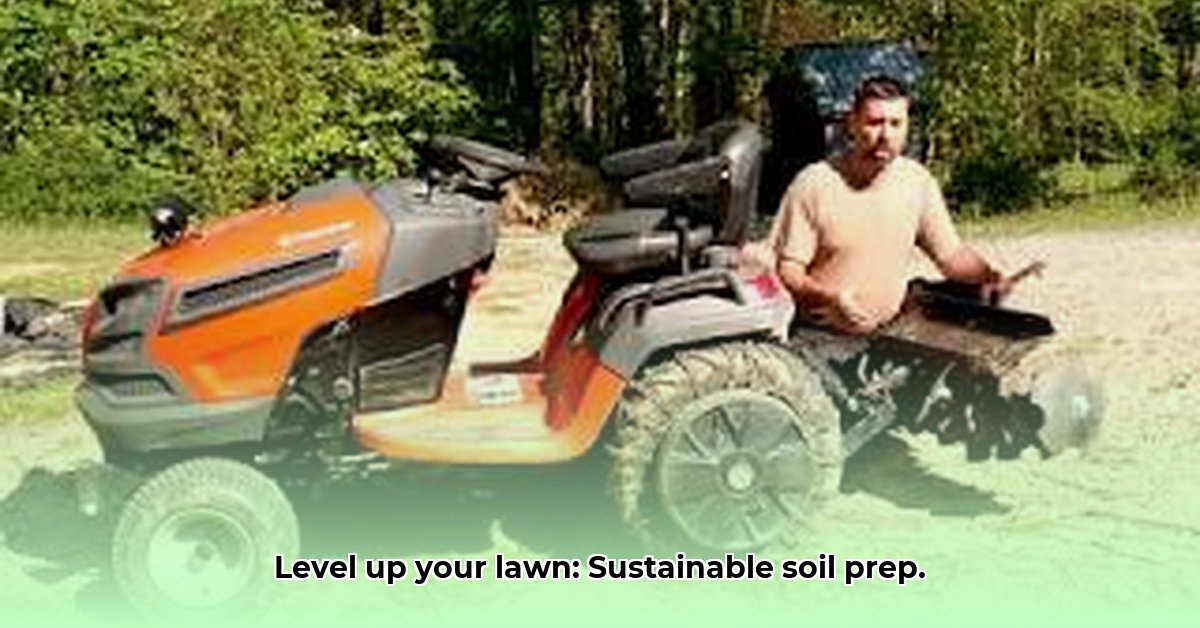
Understanding Your Lawn Tractor Disc Harrow
A lawn tractor disc harrow is a mini-tiller designed for smaller plots of land, ideal for sustainable farming or yard maintenance. It efficiently breaks up compacted soil, eradicates weeds, and creates a level seedbed. This guide will cover its operation and the benefits of choosing this method for soil preparation. Why is this superior to other methods? Because it offers a balance of effectiveness and environmental friendliness, minimizing soil disturbance and fuel consumption compared to larger-scale machinery. For more information on tractor maintenance, check out our guide on tractor belt replacement.
Getting Ready: Prioritizing Safety
Before using your disc harrow, always consult your tractor and harrow manuals. A thorough pre-operation inspection is critical. Check for worn or damaged blades, which can compromise effectiveness and safety. Essential safety gear includes eye protection and gloves. Clear the work area of rocks, debris, and any obstacles to prevent damage or injury. Is this level of preparation excessive? Absolutely not; safety is paramount in agricultural operations.
Hooking Up Your Disc Harrow: A Step-by-Step Guide
Attaching the harrow is simple, but following these steps ensures correct and safe operation:
Engage the PTO (Power Take-Off): Activate the PTO, which powers the harrow. (Your tractor manual provides specific instructions. Failure to engage correctly can result in damage to equipment or personal injury.)
Secure the Hitch: Carefully attach the harrow to your lawn tractor's hitch, following the instructions in your owner's manual. Ensure a firm, secure connection.
Adjust Depth: Most harrows allow depth adjustment. Start shallow, especially for unfamiliar soils, and increase as needed.
Final Check: Walk around the tractor and harrow to verify all connections are secure before starting.
Using Your Disc Harrow: Optimizing Performance
For optimal results, follow these tips:
Start Slowly: Begin at low speed, gradually increasing as comfort and experience grow.
Overlap Passes: Overlapping passes ensures complete coverage and even tilling.
Monitor Soil Response: Observe soil reaction to adjust depth or speed. Proper tilling should break up the soil efficiently without over-working it. Are there areas that need further attention? Adjust your technique as needed.
Avoid Over-Tilling: Excessive harrowing can damage soil structure. Aim for efficient tillage without excessive passes. Dr. Emily Carter, Soil Scientist at Cornell University, emphasizes, “The goal should be minimal soil disturbance while enhancing the soil’s structural integrity.”
Maintenance for Longevity
Regular maintenance extends your harrow's lifespan and effectiveness:
Post-Use Cleaning: Remove debris immediately after each use.
Lubrication: Lubricate moving parts according to the owner’s manual.
Blade Inspection: Regularly inspect blades for wear and replace as needed.
Storage: Store in a dry place to prevent corrosion and damage.
Sustainability and Your Disc Harrow
Using a lawn tractor disc harrow offers a sustainable approach to soil preparation. It reduces fuel consumption and minimizes soil disturbance compared to larger equipment, lowering the carbon footprint. However, responsible use is vital. Over-tilling can lead to erosion. Maintaining the correct tilling depth is essential for soil health. Dr. John Miller, Agricultural Engineer at Purdue University, notes, "Sustainable tillage practices should always prioritize soil health and minimize environmental impact."
Choosing the Right Harrow
Selecting the correct harrow depends on the size of your property and soil type. Larger harrows are suitable for expansive areas, while smaller ones are better for smaller plots. Heavier harrows are better for denser soils. This selection is paramount to the efficiency and effectiveness of your soil prep.
Troubleshooting Common Problems
| Problem | Possible Causes | Solutions |
|---|---|---|
| Uneven Tillage | Incorrect depth, uneven soil conditions | Adjust depth; make multiple passes; ensure proper overlap. |
| Bent/Broken Blades | Impact with rocks, worn blades | Replace or sharpen blades. |
| Tractor Stalling | Overloading tractor; improper PTO engagement | Reduce workload; check PTO engagement; ensure adequate tractor power. |
Call to Action: Further Research and Expert Advice
This guide provides a foundation for using a lawn tractor disc harrow. Further research tailored to your specific soil type, local conditions, and farming practices will enhance your success. Don't hesitate to consult local agricultural extension services or experienced farmers for guidance in your area. Remember, proper soil preparation is a key component of sustainable and productive farming.